Artificial intelligence
May 9, 2025·
·
2 min read
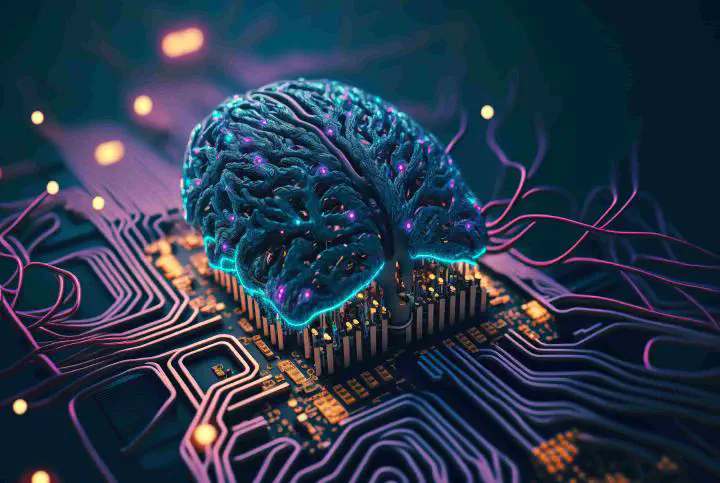
Artificial Intelligence in Everyday Life: Opportunities and Risks
Introduction
Artificial intelligence (AI) is a technology that allows machines to perform tasks that require human intelligence: speech recognition, decision making, data analysis. Today, AI is all around us, making our lives easier but also creating new challenges.
Where do we meet AI?
- Voice assistants
- Examples: Siri, Alexa, Google Assistant.
- How it helps: smart home control, information search, reminders.
- Recommender systems
- Examples: Netflix, Spotify, YouTube.
- How it works: analyzes your preferences and suggests content.
- Medicine
- Examples: diagnostics from images (X-ray, MRI), epidemic forecasting.
- Benefits: speeds up diagnosis, reduces errors.
- Transportation
- Examples: self-driving cars (Tesla), navigators (Google Maps).
- Advantages: reduced traffic jams, increased safety.
Risks and problems of AI
- Privacy
- AI collects data about users: where you have been, what you bought, what you talked about.
- Danger: data leaks, surveillance.
- Unemployment
- Automation replaces people: cashiers, drivers, call centers.
- Solution: retraining and new professions.
- Errors and bias
- Algorithms can discriminate by gender, race (for example, when hiring).
- Example: Amazon fired an AI recruiter due to bias against women.
- Security
- AI can be used for fraud (deep fakes, hacks).
- Example: fake voice messages asking to transfer money.
The Future of AI
- Prospects:
- Personalized medicine.
- Fight against climate change (optimization of energy consumption).
- Important:
- Development of ethical standards and laws (for example, AI regulation in the EU).
- Training people to work with AI.
Conclusion
AI is not just a technology of the future, but a part of the present. It makes life more convenient, but requires caution. The question is not “will AI develop”, but “how will we manage it”.